Endoscopy
Endoscopy
Endoscopy is a modern medical procedure that allows doctors to examine the internal organs and body structures using a thin, flexible instrument called an endoscope. It helps in accurate diagnosis and treatment of various medical conditions without the need for major surgical procedures. With advancements in medical technology, endoscopy has become a safe, effective, and minimally invasive approach for detecting and managing several health problems.
Dr. Vipul Gautam provides advanced endoscopy in Vasant Kunj, offering patient-focused care with modern techniques and precise evaluation. Located at 7481, Pocket 7, Sector D, Vasant Kunj, New Delhi, Dr. Vipul Gautam focuses on delivering accurate diagnosis, comfortable procedures, and effective treatment solutions according to each patient’s medical needs.
What Is Endoscopy?
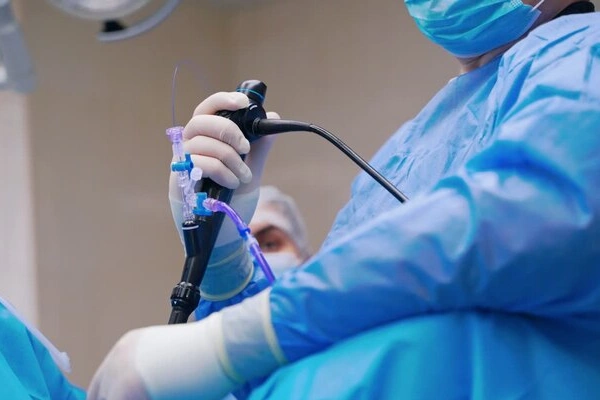
Endoscopy is a minimally invasive procedure in which a specialized camera-equipped tube is inserted into the body to view internal organs and tissues. The high-resolution camera allows doctors to identify abnormalities, diagnose diseases, collect tissue samples (biopsy), and perform certain treatments without large incisions.
Depending on the area being examined, different types of endoscopy procedures may be performed. The procedure is usually performed under appropriate medical supervision to ensure patient comfort and safety.
Types of Endoscopy Procedures
Different types of endoscopy may be recommended depending on the symptoms and affected body area. Common procedures include:
Upper Gastrointestinal Endoscopy
This procedure examines the upper digestive tract, including the food pipe (esophagus), stomach, and first part of the small intestine. It helps diagnose problems such as ulcers, inflammation, bleeding, and other digestive disorders.
Colonoscopy
Colonoscopy allows examination of the large intestine and rectum. It helps detect conditions like polyps, bowel inflammation, bleeding, and colorectal abnormalities.
Diagnostic Endoscopy
Diagnostic endoscopy is performed to identify the exact cause of symptoms and provide a clear understanding of underlying medical conditions.
Therapeutic Endoscopy
Apart from diagnosis, endoscopy can also be used for treatment purposes, including removal of certain growths, controlling bleeding, and managing specific medical conditions.
Who Needs Endoscopy?
Endoscopy may be recommended for patients experiencing persistent or unexplained symptoms that require detailed internal examination. Doctors may advise an endoscopy for:
- Persistent abdominal pain or discomfort
- Difficulty swallowing
- Frequent acidity or heartburn
- Unexplained nausea and vomiting
- Gastrointestinal bleeding
- Changes in bowel habits
- Unexplained weight loss
- Chronic digestive problems
- Detection and monitoring of certain diseases
Early diagnosis through endoscopy can help in timely treatment and prevent complications.
Benefits of Endoscopy
Choosing advanced endoscopy in Vasant Kunj offers several benefits, including:
Accurate Diagnosis
Endoscopy provides a direct view of internal organs, helping doctors identify conditions with greater accuracy compared to many conventional diagnostic methods.
Minimally Invasive Procedure
Unlike traditional surgeries, endoscopy requires minimal intervention, resulting in smaller or no external cuts.
Faster Recovery
Patients generally experience quicker recovery and can return to normal activities sooner compared to major surgical procedures.
Early Detection of Diseases
Endoscopy helps detect diseases at an early stage, allowing timely management and improved outcomes.
Reduced Discomfort
Modern techniques and improved equipment help make the procedure safer and more comfortable for patients.
Endoscopy Procedure Process
Before undergoing endoscopy, the doctor evaluates the patient’s symptoms, medical history, and necessary investigations. Proper preparation is explained to ensure accurate results.
Consultation & Evaluation
During consultation, Dr. Vipul Gautam understands the patient’s concerns and determines whether endoscopy is required.
Preparation
Depending on the type of endoscopy, patients may need specific preparation instructions such as dietary restrictions or medication adjustments.
Procedure
During the procedure, an endoscope is carefully guided through the required area while images are displayed on a monitor for detailed examination.
Diagnosis & Treatment Planning
After the procedure, findings are reviewed, and further treatment recommendations are provided based on the results.
Recovery & Aftercare After Endoscopy
Recovery after endoscopy is generally quick. Patients may experience mild discomfort, bloating, or throat irritation depending on the type of procedure performed. These symptoms usually improve within a short period.
Post-procedure care may include:
- Following dietary instructions provided by the doctor
- Taking prescribed medications if required
- Avoiding strenuous activities for the recommended duration
- Monitoring any unusual symptoms
- Attending follow-up consultations
Following proper aftercare instructions helps ensure smooth recovery and better treatment outcomes.
Why Choose Dr. Vipul Gautam for Endoscopy in Vasant Kunj?
Dr. Vipul Gautam provides comprehensive endoscopy services with a focus on accurate diagnosis, patient safety, and personalized care. His approach combines clinical expertise with modern medical techniques to deliver effective solutions for patients requiring endoscopic evaluation.
Reasons to choose Dr. Vipul Gautam include:
- Experienced medical professional providing advanced endoscopic care
- Focus on accurate diagnosis and appropriate treatment planning
- Use of modern techniques and equipment
- Patient-friendly approach with detailed consultations
- Safe and comfortable procedure experience
- Convenient location in Vasant Kunj, New Delhi
At 7481, Pocket 7, Sector D, Vasant Kunj, New Delhi, patients can access reliable and advanced endoscopy services with expert medical guidance.
Frequently Asked Questions (FAQs)
1. What is endoscopy used for?
Endoscopy is used to examine internal organs, diagnose medical conditions, collect samples, and perform certain minimally invasive treatments.
2. Is endoscopy a painful procedure?
Most endoscopy procedures are performed with appropriate comfort measures and are generally well tolerated by patients.
3. How long does an endoscopy procedure take?
The duration depends on the type of endoscopy, but many procedures are completed within a short time under medical supervision.
4. How should I prepare for endoscopy?
Preparation depends on the type of endoscopy. Your doctor will provide specific instructions regarding diet, medications, and other requirements.
5. Is recovery after endoscopy fast?
Yes, endoscopy usually involves minimal recovery time, and most patients can resume normal activities as advised by their doctor.
6. When should I consider endoscopy?
If you have persistent digestive symptoms, unexplained pain, bleeding, swallowing difficulties, or other concerning symptoms, your doctor may recommend endoscopy.
7. Is endoscopy safe?
Endoscopy is considered a safe procedure when performed by experienced medical professionals using proper techniques and equipment.
8. Where can I get endoscopy in Vasant Kunj?
Patients looking for endoscopy in Vasant Kunj can consult Dr. Vipul Gautam at 7481, Pocket 7, Sector D, Vasant Kunj, New Delhi for expert evaluation and care.