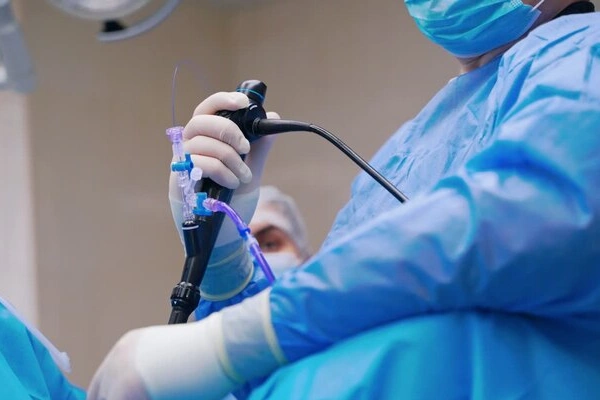
Endoscopy is a modern medical procedure that allows doctors to examine the internal organs and body structures using a t
ViewA colonoscopy is an advanced diagnostic procedure used to examine the inner lining of the large intestine (colon) and th
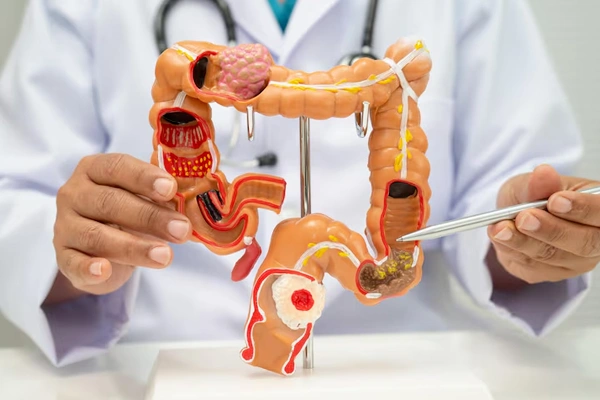
ViewAbdominal pain is one of the most common reasons parents seek medical care for their children. While occasional stomach

ViewConstipation is one of the most common digestive problems in children and can affect infants, toddlers, school-aged chil

ViewInflammatory Bowel Disease (IBD) is a group of chronic inflammatory conditions affecting the digestive tract. The two ma

ViewGastroesophageal Reflux Disease (GERD), commonly known as acid reflux, is a digestive condition in which stomach acid fr

ViewDiarrhea is one of the most common illnesses affecting infants and children. It is characterized by frequent, loose, or

ViewCeliac disease is a chronic autoimmune disorder in which the immune system reacts abnormally to gluten, a protein found

ViewIf your child has persistent stomach pain, constipation, diarrhea, vomiting, poor weight gain, blood in stools, feeding difficulties, or recurrent digestive issues, it's best to consult a pediatric gastroenterologist for proper evaluation and treatment.

A pediatric gastroenterologist treats digestive, liver, pancreas, and nutrition-related disorders, including constipation, acid reflux, celiac disease, inflammatory bowel disease (IBD), liver diseases, jaundice, pancreatitis, and feeding problems.
Pediatric hepatology is a specialized field that focuses on diagnosing and treating liver, gallbladder, and bile duct diseases in infants, children, and adolescents, including hepatitis, fatty liver disease, biliary atresia, and autoimmune liver disorders.
Occasional constipation is common, but chronic constipation may indicate an underlying digestive issue. Early diagnosis and treatment can help prevent discomfort, complications, and long-term bowel problems.
Symptoms may include prolonged jaundice, yellow eyes or skin, dark urine, pale stools, abdominal swelling, poor growth, fatigue, or unexplained itching. A pediatric liver specialist can perform the necessary tests for diagnosis.
Yes. Pediatric endoscopy and colonoscopy are safe procedures when performed by experienced pediatric specialists using child-friendly equipment and appropriate anesthesia or sedation.
Yes. Chronic digestive or liver disorders can interfere with nutrient absorption and may lead to poor weight gain, delayed growth, and nutritional deficiencies if left untreated.
Referral requirements depend on your healthcare provider or insurance policy. However, if your child has persistent digestive or liver symptoms, scheduling an evaluation with a pediatric GI specialist is recommended.
Depending on your child's symptoms, the doctor may recommend blood tests, stool tests, ultrasound, endoscopy, colonoscopy, liver function tests, or specialized imaging to determine the exact cause.
Pediatric gastroenterologists receive specialized training to diagnose and manage digestive, liver, pancreatic, and nutritional disorders specifically in infants, children, and adolescents, ensuring age-appropriate and comprehensive care.