Jaundice
Jaundice
Jaundice is a common condition in newborns and children that causes yellowing of the skin, eyes, and mucous membranes due to increased levels of bilirubin in the blood. While mild jaundice in newborns is often temporary and resolves on its own, persistent or severe jaundice may indicate an underlying liver, bile duct, blood, or metabolic disorder that requires prompt medical attention.
Early diagnosis is essential because untreated jaundice can lead to complications, especially in infants and young children. Identifying the underlying cause helps ensure timely treatment and protects liver function and overall health.
Dr. Vipul Gautam provides specialized jaundice treatment in New Delhi, offering comprehensive evaluation, accurate diagnosis, and personalized treatment for newborns, infants, children, and adolescents with jaundice and liver-related disorders. With expertise in pediatric gastroenterology and hepatology, Dr. Vipul Gautam focuses on delivering safe, evidence-based care tailored to each child's needs.
Located at 7481, Pocket 7, Sector D, Vasant Kunj, New Delhi, Dr. Vipul Gautam offers advanced pediatric liver care in a child-friendly environment.
What Is Jaundice?
Jaundice occurs when bilirubin, a yellow pigment produced during the normal breakdown of red blood cells, builds up in the bloodstream. Normally, the liver processes bilirubin and removes it from the body through bile. When this process is affected, bilirubin levels rise, causing yellow discoloration of the skin and eyes.
A Jaundice in New Delhi evaluates the child to determine whether jaundice is physiological (normal in newborns) or caused by an underlying medical condition requiring treatment.
Causes of Jaundice in Children
Several conditions can lead to jaundice in children.
Newborn (Physiological) Jaundice
Many newborns develop temporary jaundice because their liver is still maturing.
Breastfeeding-Related Jaundice
Some babies may develop jaundice related to feeding difficulties or breast milk factors.
Viral Hepatitis
Liver infections caused by viruses such as hepatitis A, B, or C can result in jaundice.
Biliary Atresia
A rare condition in infants where the bile ducts are blocked or absent, preventing normal bile flow.
Hemolytic Disorders
Conditions causing rapid breakdown of red blood cells can increase bilirubin levels.
Genetic and Metabolic Disorders
Inherited liver and metabolic diseases, including Wilson disease and certain enzyme deficiencies, may cause jaundice.
Liver Diseases
Fatty liver disease, autoimmune liver disease, and other liver disorders can impair bilirubin processing.
Symptoms of Jaundice in Children
Common symptoms include:
- Yellowing of the skin and eyes
- Dark-colored urine
- Pale or clay-colored stools
- Poor feeding
- Sleepiness or lethargy
- Irritability
- Fever (in some cases)
- Abdominal swelling
- Enlarged liver
- Poor weight gain
- Fatigue in older children
Parents should seek medical attention if jaundice persists beyond two weeks in newborns or develops suddenly in older children.
When Should You Consult a Jaundice Specialist?
Medical evaluation is recommended if a child has:
- Persistent yellow discoloration
- High bilirubin levels
- Dark urine or pale stools
- Poor feeding
- Recurrent jaundice
- Abnormal liver function tests
- Fever with jaundice
- Poor growth or weight gain
- Family history of liver disease
Early diagnosis can help prevent liver damage and other complications.
Diagnosis of Jaundice
Dr. Vipul Gautam performs a detailed evaluation to identify the cause of jaundice.
Medical History and Physical Examination
The doctor assesses:
- Duration of jaundice
- Feeding history
- Birth history (for newborns)
- Family history
- Growth and development
- Associated symptoms
Blood Tests
Blood investigations may include:
- Bilirubin levels
- Liver function tests
- Complete blood count
- Hepatitis screening
- Metabolic investigations
Ultrasound Examination
An abdominal ultrasound helps assess the liver, gallbladder, and bile ducts.
Additional Diagnostic Tests
Depending on the child's condition, further investigations may include:
- Liver biopsy
- Genetic testing
- Specialized metabolic testing
- Advanced imaging studies
Jaundice Treatment Process
Treatment depends on the underlying cause and the child's age.
Phototherapy
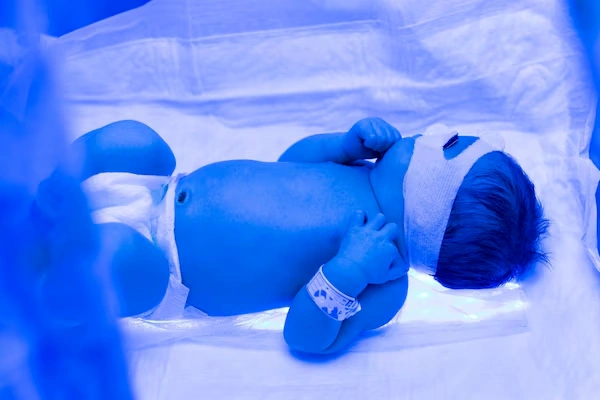
For many newborns with physiological jaundice, phototherapy helps reduce bilirubin levels safely and effectively.
Medical Treatment
Medicines may be prescribed to treat infections, liver inflammation, or other underlying conditions when appropriate.
Nutritional Support
Adequate feeding and hydration are essential, particularly in newborns and infants.
Management of Underlying Liver Disorders
Conditions such as hepatitis, biliary atresia, or metabolic liver diseases require specialized treatment.
Liver Transplant Evaluation
Children with severe liver disease or liver failure may require evaluation for liver transplantation.
Benefits of Early Jaundice Treatment
Choosing expert jaundice treatment in New Delhi offers several benefits:
Accurate Diagnosis
Specialized evaluation helps identify the exact cause of jaundice.
Timely Treatment
Early management reduces the risk of complications and improves outcomes.
Protection of Liver Health
Appropriate treatment helps preserve liver function and supports healthy development.
Personalized Care
Treatment plans are tailored according to the child's age, diagnosis, and overall health.
Long-Term Monitoring
Regular follow-up ensures recovery and helps detect any future liver-related concerns.
Recovery & Follow-Up Care
Recovery depends on the underlying cause of jaundice. Parents should:
- Attend regular follow-up appointments
- Ensure proper feeding and hydration
- Follow prescribed medications
- Monitor bilirubin levels when advised
- Watch for changes in urine or stool color
- Report persistent or worsening symptoms promptly
Regular monitoring supports healthy liver function and child development.
Why Choose Dr. Vipul Gautam for Jaundice Treatment in New Delhi?
Dr. Vipul Gautam specializes in pediatric gastroenterology and hepatology, providing expert care for newborns and children with jaundice and liver disorders. His approach focuses on accurate diagnosis, advanced investigations, and individualized treatment plans.
Reasons to choose Dr. Vipul Gautam include:
- Expertise in pediatric liver diseases
- Specialized care for newborn and childhood jaundice
- Advanced diagnostic evaluation
- Comprehensive pediatric hepatology services
- Child-friendly consultation approach
- Personalized treatment planning
- Long-term liver health monitoring
For expert jaundice treatment in New Delhi, consult Dr. Vipul Gautam at 7481, Pocket 7, Sector D, Vasant Kunj, New Delhi for comprehensive pediatric liver and digestive care.
Frequently Asked Questions (FAQs)
1. What causes jaundice in children?
Jaundice may be caused by newborn physiological jaundice, hepatitis, biliary atresia, blood disorders, liver diseases, or genetic conditions.
2. Is jaundice common in newborn babies?
Yes. Mild jaundice is common in newborns, but persistent or severe jaundice requires medical evaluation.
3. How is jaundice diagnosed?
Diagnosis includes a physical examination, bilirubin testing, liver function tests, ultrasound, and additional investigations if needed.
4. What is the treatment for jaundice in children?
Treatment depends on the cause and may include phototherapy, medications, nutritional support, treatment of liver disease, or specialized interventions.
5. When should parents worry about jaundice?
Parents should seek immediate medical attention if jaundice lasts beyond two weeks in newborns, worsens, or is associated with poor feeding, pale stools, dark urine, or fever.
6. Can jaundice damage the liver?
Some causes of jaundice can affect the liver if left untreated. Early diagnosis and treatment help reduce this risk.
7. Can jaundice be prevented?
Not all cases are preventable, but early monitoring, timely feeding, vaccinations, and prompt medical evaluation can reduce complications.
8. Where can I get expert jaundice treatment in New Delhi?
Dr. Vipul Gautam provides specialized jaundice treatment in New Delhi at 7481, Pocket 7, Sector D, Vasant Kunj, New Delhi, offering advanced pediatric liver and digestive care.