Liver Diseases
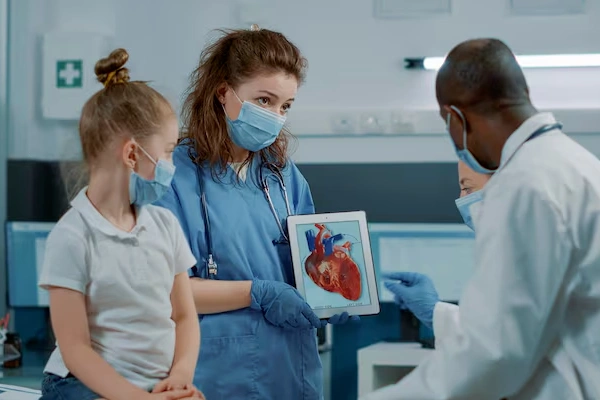
Liver Diseases
The liver plays a vital role in a child's growth, digestion, metabolism, and immunity. When liver diseases develop during infancy or childhood, they require specialized medical attention from a pediatric liver specialist. Conditions such as jaundice, hepatitis, fatty liver disease, biliary atresia, Wilson disease, autoimmune liver disorders, and metabolic liver diseases can affect a child's overall health and development if left untreated.
Early diagnosis and appropriate treatment are essential to prevent complications and ensure healthy liver function. Specialized pediatric liver care focuses not only on treating the disease but also on supporting proper nutrition, growth, and long-term well-being.
Dr. Vipul Gautam is an experienced Child Liver in New Delhi, dedicated to the diagnosis, treatment, and long-term management of liver diseases in newborns, infants, children, and adolescents. He specializes in pediatric hepatology, liver transplantation, and complex gastrointestinal disorders in children.
Located at 7481, Pocket 7, Sector D, Vasant Kunj, New Delhi, Dr. Vipul Gautam provides compassionate, evidence-based care using advanced diagnostic and treatment approaches.
What Does a Child Liver Treat?
A Child Liver (Pediatric Hepatologist) diagnoses and manages diseases affecting the liver, bile ducts, and related digestive organs in children.
Dr. Vipul Gautam provides expert care for conditions including:
- Newborn jaundice
- Persistent jaundice
- Viral hepatitis
- Autoimmune hepatitis
- Fatty liver disease
- Wilson disease
- Biliary atresia
- Metabolic liver disorders
- Cholestatic liver diseases
- Liver cirrhosis
- Acute liver failure
- Chronic liver disease
- Pediatric liver transplant evaluation
- Post liver transplant follow-up care
Common Liver Diseases in Children
Jaundice
Persistent yellowing of the skin and eyes may indicate liver dysfunction or bile flow problems requiring specialist evaluation.
Viral Hepatitis
Hepatitis A, B, and other viral infections can cause liver inflammation and require appropriate management.
Fatty Liver Disease
Increasing childhood obesity has led to a rise in pediatric fatty liver disease, which requires lifestyle modification and medical monitoring.
Wilson Disease
A rare inherited disorder in which excess copper accumulates in the liver and other organs, requiring lifelong treatment.
Biliary Atresia
A serious condition in infants where bile ducts fail to develop normally, requiring early diagnosis and treatment.
Autoimmune Liver Disease
The immune system attacks liver cells, causing chronic inflammation that needs long-term management.
Metabolic Liver Disorders
Inherited metabolic conditions can affect liver function and growth if not diagnosed early.
Symptoms That Should Not Be Ignored
Parents should consult a Child Liver in New Delhi if their child experiences:
- Yellowing of the skin or eyes
- Dark-colored urine
- Pale or clay-colored stools
- Persistent abdominal swelling
- Enlarged liver
- Poor weight gain
- Loss of appetite
- Frequent vomiting
- Chronic fatigue
- Easy bruising or bleeding
- Persistent itching
- Abnormal liver function tests
- Delayed growth
Early diagnosis significantly improves treatment outcomes.
Diagnosis of Pediatric Liver Diseases
Dr. Vipul Gautam performs a detailed evaluation to determine the exact cause of liver disease.
Medical History and Physical Examination
Assessment includes:
- Symptoms
- Birth history
- Family history
- Growth and development
- Previous medical illnesses
Blood Investigations
Tests may include:
- Liver function tests
- Bilirubin levels
- Viral hepatitis screening
- Autoimmune markers
- Metabolic investigations
- Copper studies for Wilson disease
Imaging Studies
Advanced imaging may include:
- Ultrasound abdomen
- Doppler studies
- MRI or MRCP (when indicated)
Liver Biopsy
In selected cases, a liver biopsy may be recommended to determine the nature and severity of liver disease.
Genetic Testing
Children with suspected inherited liver disorders may require specialized genetic evaluation.
Treatment for Pediatric Liver Diseases
Treatment depends on the specific liver condition, the child's age, and disease severity.
Medical Management
Many liver disorders can be effectively managed with medications and regular monitoring.
Nutritional Support
Proper nutrition plays an essential role in liver recovery and healthy child development.
Lifestyle Guidance
Healthy eating habits, physical activity, and regular follow-up help maintain liver health.
Liver Transplant Evaluation
Children with advanced liver failure may require timely evaluation for liver transplantation.
Post Liver Transplant Care
Long-term monitoring after liver transplantation helps maintain healthy liver function and prevent complications. Pediatric liver transplantation and peri-transplant care are among Dr. Gautam's key clinical expertise.
Benefits of Early Consultation
Seeking expert child liver treatment in New Delhi provides several advantages:
Accurate Diagnosis
Advanced investigations help identify liver disorders at an early stage.
Prevention of Complications
Timely treatment reduces the risk of chronic liver damage and liver failure.
Healthy Growth
Proper management supports normal nutrition, growth, and development.
Personalized Treatment
Every child receives an individualized treatment plan according to their medical condition.
Long-Term Liver Care
Regular follow-up ensures better disease control and improved quality of life.
Recovery & Long-Term Follow-Up
Children with liver diseases often require ongoing medical care.
Parents should:
- Follow prescribed medications
- Ensure balanced nutrition
- Attend regular follow-up appointments
- Monitor growth and development
- Keep vaccinations up to date
- Report new symptoms promptly
Consistent follow-up helps maintain healthy liver function and reduces the risk of complications.
Why Choose Dr. Vipul Gautam as a Child Liver in New Delhi?
Dr. Vipul Gautam specializes in pediatric hepatology and liver transplantation, offering comprehensive care for children with simple and complex liver disorders. His approach combines accurate diagnosis, modern treatment, nutritional guidance, and compassionate family-centered care. His clinical expertise includes congenital and genetic hepatobiliary disorders, fatty liver disease, acute and chronic liver disease, pediatric liver transplantation, biliary tract disorders, autoimmune liver disease, and viral hepatitis.
Reasons to choose Dr. Vipul Gautam include:
- Specialized expertise in pediatric hepatology
- Advanced management of childhood liver diseases
- Comprehensive liver function assessment
- Expertise in pediatric liver transplantation
- Personalized treatment plans
- Child-friendly consultation environment
- Long-term follow-up and nutritional guidance
- Focus on healthy growth and liver wellness
For expert consultation with a Child Liver in New Delhi, visit Dr. Vipul Gautam at 7481, Pocket 7, Sector D, Vasant Kunj, New Delhi, for advanced pediatric liver and digestive care.
Frequently Asked Questions (FAQs)
1. What does a Child Liver treat?
A child liver specialist diagnoses and treats liver diseases such as jaundice, hepatitis, fatty liver disease, Wilson disease, biliary atresia, autoimmune liver disease, and liver failure.
2. When should I consult a pediatric liver specialist?
You should consult a specialist if your child has persistent jaundice, abnormal liver tests, abdominal swelling, poor growth, recurrent vomiting, or suspected liver disease.
3. Can liver diseases in children be treated?
Yes. Many pediatric liver diseases can be successfully managed with early diagnosis, medications, nutritional support, and regular follow-up.
4. How are liver diseases diagnosed in children?
Diagnosis may include blood tests, liver function tests, ultrasound, MRI, liver biopsy, and genetic testing depending on the condition.
5. Does Dr. Vipul Gautam treat fatty liver disease in children?
Yes. He provides specialized evaluation and treatment for pediatric fatty liver disease along with lifestyle and nutritional guidance.
6. Does Dr. Vipul Gautam provide liver transplant care?
Yes. He offers liver transplant evaluation as well as comprehensive post-liver transplant follow-up and long-term management for children.
7. Can nutrition improve liver health in children?
Yes. A balanced diet and proper nutritional management play an important role in supporting liver function, recovery, and healthy growth.
8. Where can I consult a Child Liver in New Delhi?
Dr. Vipul Gautam provides expert child liver care in New Delhi at 7481, Pocket 7, Sector D, Vasant Kunj, New Delhi, offering comprehensive diagnosis, treatment, and long-term management of pediatric liver diseases.