Constipation
Constipation
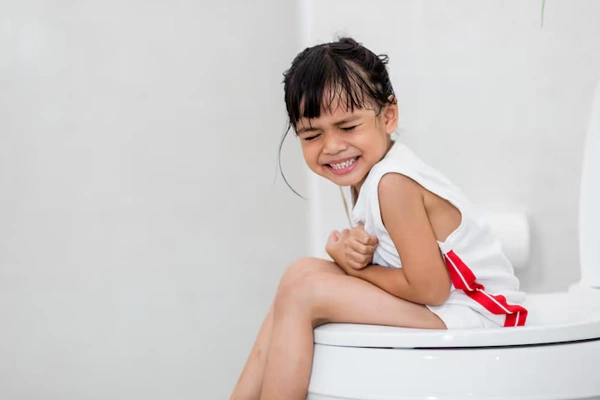
Constipation is one of the most common digestive problems in children and can affect infants, toddlers, school-aged children, and adolescents. While occasional constipation is usually not a cause for concern, persistent or recurrent constipation can lead to abdominal pain, painful bowel movements, poor appetite, and emotional distress. If left untreated, it may also result in complications such as anal fissures, stool withholding, or fecal impaction.
Children may develop constipation due to inadequate fiber intake, dehydration, changes in diet, toilet training issues, lack of physical activity, or underlying gastrointestinal conditions. Early evaluation by a pediatric gastroenterologist helps identify the exact cause and provides effective treatment to restore healthy bowel habits.
Dr. Vipul Gautam is an experienced Constipation in New Delhi, offering comprehensive diagnosis and treatment for constipation in newborns, infants, children, and adolescents. With expertise in pediatric gastroenterology and hepatology, Dr. Gautam provides evidence-based care that focuses on relieving symptoms, preventing recurrence, and improving your child's digestive health.
Located at 7481, Pocket 7, Sector D, Vasant Kunj, New Delhi, Dr. Vipul Gautam provides advanced pediatric digestive care in a comfortable and child-friendly environment.
What Is Constipation in Children?
Constipation occurs when a child has infrequent bowel movements, passes hard or dry stools, or experiences pain while passing stools. The frequency of bowel movements varies from child to child, but constipation is generally diagnosed when bowel movements become difficult, painful, or significantly less frequent than normal.
A Child Constipation in New Delhi evaluates the child to determine whether constipation is functional (without an underlying disease) or caused by a medical condition that requires specialized treatment.
Common Causes of Constipation in Children
Several factors can contribute to constipation.
Low-Fiber Diet
A diet lacking fruits, vegetables, and whole grains can make stools hard and difficult to pass.
Inadequate Fluid Intake
Not drinking enough water may lead to dehydration and hard stools.
Stool Withholding
Some children avoid using the toilet due to fear of pain or discomfort, worsening constipation.
Toilet Training Issues
Stress or anxiety during toilet training can contribute to bowel habit changes.
Lack of Physical Activity
A sedentary lifestyle can slow bowel movements.
Digestive Disorders
Conditions such as celiac disease, hypothyroidism, or inflammatory bowel disease may cause chronic constipation.
Certain Medications
Some medicines may have constipation as a side effect.
Symptoms of Constipation in Children
Children with constipation may experience:
- Hard or dry stools
- Pain during bowel movements
- Infrequent bowel movements
- Abdominal pain or bloating
- Loss of appetite
- Straining while passing stools
- Blood on the stool due to small tears (anal fissures)
- Stool leakage (encopresis)
- Irritability or discomfort
- Feeling of incomplete bowel emptying
Persistent symptoms should be evaluated by a specialist.
When Should You Consult a Child Constipation Specialist?
Seek medical attention if your child has:
- Constipation lasting more than two weeks
- Severe abdominal pain
- Blood in the stool
- Persistent vomiting
- Poor weight gain
- Constipation since birth
- Painful bowel movements despite dietary changes
- Recurrent constipation
- Stool withholding behavior
- Fecal soiling or leakage
Early treatment helps prevent complications and improves bowel function.
Diagnosis of Childhood Constipation
Dr. Vipul Gautam performs a detailed assessment to identify the cause of constipation.
Medical History
The doctor reviews:
- Bowel movement pattern
- Diet and fluid intake
- Toilet habits
- Growth and development
- Family history
- Associated symptoms
Physical Examination
A thorough examination helps identify abdominal fullness, tenderness, or signs of underlying disease.
Laboratory Tests
When indicated, investigations may include:
- Blood tests
- Thyroid function tests
- Celiac disease screening
- Other relevant investigations
Imaging Studies
Abdominal X-rays or ultrasound may be recommended in selected cases.
Specialized Tests
Rarely, additional gastrointestinal investigations may be required for complex cases.
Treatment for Childhood Constipation
Treatment is individualized according to the child's age, symptoms, and underlying cause.
Dietary Changes
A balanced diet rich in:
- Fruits
- Vegetables
- Whole grains
- Fiber-rich foods
helps improve bowel movements.
Adequate Hydration
Encouraging sufficient fluid intake helps soften stools.
Toilet Training and Behavioral Therapy
Healthy toilet habits and positive reinforcement can improve bowel function.
Medications
Safe pediatric medications or stool softeners may be prescribed when necessary.
Treatment of Underlying Conditions
If constipation is caused by an underlying medical condition, targeted treatment is provided.
Regular Follow-Up
Ongoing monitoring ensures continued improvement and prevents recurrence.
Benefits of Early Constipation Treatment
Choosing expert Child Constipation Treatment in New Delhi offers several advantages:
Relief From Pain
Treatment reduces painful bowel movements and abdominal discomfort.
Healthy Bowel Habits
Children develop regular and comfortable bowel movements.
Prevention of Complications
Early management helps prevent anal fissures, stool impaction, and chronic constipation.
Improved Nutrition
Better bowel function improves appetite and nutrient absorption.
Better Quality of Life
Children become more active, comfortable, and confident in their daily routines.
Tips to Prevent Constipation
Parents can help reduce the risk of constipation by:
- Encouraging a fiber-rich diet
- Ensuring adequate water intake
- Promoting regular physical activity
- Establishing a consistent toilet routine
- Avoiding prolonged stool withholding
- Seeking early medical advice for persistent symptoms
Healthy lifestyle habits play an important role in maintaining normal bowel function.
Why Choose Dr. Vipul Gautam as Your Child Constipation in New Delhi?
Dr. Vipul Gautam specializes in pediatric gastroenterology and provides comprehensive care for children with constipation and other digestive disorders. His patient-focused approach emphasizes accurate diagnosis, personalized treatment, nutritional counseling, and long-term digestive health.
Reasons to choose Dr. Vipul Gautam include:
- Expertise in pediatric gastroenterology
- Specialized treatment for childhood constipation
- Comprehensive digestive evaluation
- Child-friendly consultation approach
- Personalized treatment plans
- Nutritional and dietary guidance
- Advanced diagnostic facilities
- Long-term follow-up and preventive care
For expert consultation with a Child Constipation in New Delhi, visit Dr. Vipul Gautam at 7481, Pocket 7, Sector D, Vasant Kunj, New Delhi, for compassionate and advanced pediatric digestive care.
Frequently Asked Questions (FAQs)
1. What causes constipation in children?
Constipation may result from a low-fiber diet, inadequate fluid intake, stool withholding, toilet training issues, lack of physical activity, or certain medical conditions.
2. When should I take my child to a constipation specialist?
Consult a specialist if constipation lasts more than two weeks, causes severe pain, blood in the stool, poor growth, or does not improve with dietary changes.
3. Can constipation cause abdominal pain?
Yes. Constipation commonly causes abdominal pain, bloating, and discomfort in children.
4. Is constipation common during toilet training?
Yes. Some children develop constipation during toilet training due to anxiety or withholding stools.
5. How is constipation diagnosed?
Diagnosis is based on medical history, physical examination, and, when necessary, blood tests or imaging studies.
6. Can diet help relieve constipation?
Yes. Increasing fiber intake, drinking enough fluids, and maintaining a balanced diet are essential parts of treatment.
7. Are medications safe for treating constipation in children?
When prescribed by a pediatric specialist, medications and stool softeners are generally safe and effective for children.
8. Where can I consult a Child Constipation in New Delhi?
Dr. Vipul Gautam provides expert Child Constipation Treatment in New Delhi at 7481, Pocket 7, Sector D, Vasant Kunj, New Delhi, offering comprehensive evaluation and personalized care for children with constipation and digestive disorders.