Fatty Liver
Fatty Liver
Fatty liver disease is becoming increasingly common in children due to changing lifestyles, unhealthy eating habits, obesity, and metabolic disorders. The condition occurs when excess fat accumulates in the liver, affecting its ability to function properly. While fatty liver may not cause symptoms in its early stages, untreated disease can progress to liver inflammation, fibrosis, or even cirrhosis over time.
Early diagnosis and lifestyle intervention play a crucial role in preventing long-term liver damage. Children with obesity, diabetes, high cholesterol, or a family history of liver disease should undergo timely evaluation if fatty liver is suspected.
Dr. Vipul Gautam provides specialized Child Fatty Liver Treatment in New Delhi, offering comprehensive diagnosis, personalized treatment, nutritional counseling, and long-term monitoring for children with fatty liver disease. With expertise in pediatric gastroenterology and hepatology, Dr. Gautam focuses on improving liver health while supporting healthy growth and development.
Located at 7481, Pocket 7, Sector D, Vasant Kunj, New Delhi, Dr. Vipul Gautam offers advanced pediatric liver care in a child-friendly and compassionate environment.
What Is Fatty Liver Disease in Children?
Fatty liver disease, also known as Pediatric Fatty Liver Disease or Metabolic Dysfunction-Associated Steatotic Liver Disease (MASLD), occurs when excess fat builds up in the liver cells. In some children, this may lead to liver inflammation, known as steatohepatitis, which can gradually damage the liver if not treated.
A Child Fatty Liver in New Delhi evaluates the severity of the condition and develops an individualized treatment plan based on the child's age, overall health, and underlying risk factors.
Causes of Fatty Liver in Children
Several factors may contribute to fatty liver disease.
Childhood Obesity
Excess body weight is the most common risk factor for fatty liver disease.
Unhealthy Diet
Frequent consumption of sugary drinks, processed foods, fast food, and high-calorie snacks increases the risk.
Physical Inactivity
A sedentary lifestyle contributes to weight gain and fat accumulation in the liver.
Insulin Resistance
Children with insulin resistance or type 2 diabetes have a higher risk of developing fatty liver disease.
High Cholesterol and Triglycerides
Abnormal blood lipid levels may contribute to fat deposition in the liver.
Genetic Factors
Family history and inherited metabolic conditions may increase susceptibility.
Certain Medical Conditions
Hormonal disorders, metabolic diseases, and some medications can also contribute to fatty liver.
Symptoms of Child Fatty Liver Disease
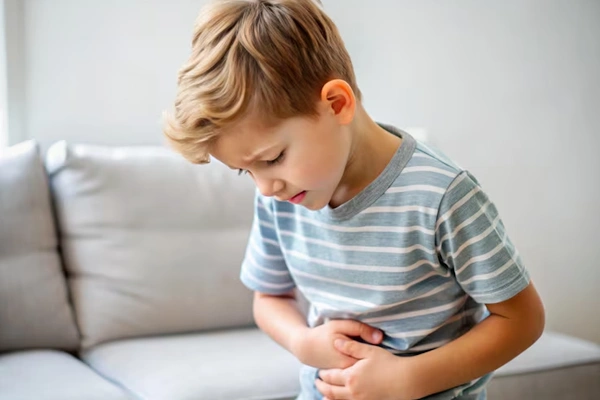
Many children have no symptoms during the early stages. When symptoms occur, they may include:
- Persistent fatigue
- Abdominal discomfort, especially in the upper right side
- Enlarged liver
- Poor appetite
- Unexplained weight gain
- Obesity
- Darkening of the skin around the neck (acanthosis nigricans)
- Elevated liver enzymes on blood tests
Because symptoms may be mild or absent, regular screening is important for high-risk children.
When Should You Consult a Child Fatty Liver Specialist?
Parents should seek medical evaluation if their child has:
- Obesity or overweight
- Elevated liver function tests
- Persistent abdominal pain
- Family history of fatty liver disease
- Type 2 diabetes
- High cholesterol
- Unexplained liver enlargement
- Signs of metabolic syndrome
Early diagnosis helps prevent disease progression and improves long-term liver health.
Diagnosis of Child Fatty Liver Disease
Dr. Vipul Gautam performs a detailed evaluation to determine the extent of liver involvement.
Medical History and Physical Examination
The assessment includes:
- Dietary habits
- Physical activity
- Family history
- Weight and growth assessment
- Medical history
Blood Tests
Investigations may include:
- Liver function tests
- Blood sugar levels
- Lipid profile
- Liver enzyme levels
- Metabolic screening
Ultrasound of the Liver
Ultrasound is commonly used to detect fat accumulation in the liver.
Advanced Imaging
In selected cases, specialized imaging may be recommended to assess liver stiffness or fibrosis.
Liver Biopsy
Rarely, a liver biopsy may be advised when the diagnosis is uncertain or advanced liver disease is suspected.
Child Fatty Liver Treatment
Treatment focuses on improving liver health and preventing disease progression.
Personalized Nutrition Plan
A healthy, balanced diet is essential for reducing liver fat and maintaining ideal body weight.
Parents are encouraged to:
- Increase fruits and vegetables
- Choose whole grains
- Limit sugary beverages
- Reduce processed foods
- Encourage healthy snacks
Weight Management
Gradual weight reduction in overweight children helps improve liver function.
Regular Physical Activity
Daily exercise and outdoor activities support healthy metabolism and reduce liver fat.
Medical Management
If associated conditions such as diabetes, high cholesterol, or metabolic disorders are present, they are treated appropriately.
Regular Monitoring
Periodic follow-up helps monitor liver function, weight, and overall progress.
Benefits of Early Fatty Liver Treatment
Seeking expert Child Fatty Liver Treatment in New Delhi provides several benefits.
Prevents Liver Damage
Early intervention reduces the risk of inflammation, fibrosis, and cirrhosis.
Improves Liver Function
Healthy lifestyle changes help restore normal liver health.
Supports Healthy Growth
Children receive nutritional guidance while maintaining proper growth and development.
Reduces Future Health Risks
Treatment lowers the risk of diabetes, heart disease, and metabolic complications later in life.
Personalized Care
Every treatment plan is customized according to the child's needs.
Lifestyle Tips to Protect Your Child's Liver
Parents can help improve liver health by:
- Encouraging regular physical activity
- Providing balanced home-cooked meals
- Limiting sugary drinks
- Reducing processed and fast foods
- Promoting healthy sleep habits
- Scheduling regular pediatric check-ups
- Following the doctor's dietary recommendations
Healthy lifestyle habits remain the cornerstone of fatty liver treatment.
Why Choose Dr. Vipul Gautam for Child Fatty Liver Treatment in New Delhi?
Dr. Vipul Gautam specializes in pediatric hepatology and gastroenterology, providing comprehensive care for children with fatty liver disease and other liver disorders. His approach combines advanced diagnostics, nutritional counseling, lifestyle modification, and long-term monitoring to achieve the best outcomes.
Reasons to choose Dr. Vipul Gautam include:
- Expertise in pediatric liver diseases
- Specialized management of childhood fatty liver
- Advanced diagnostic evaluation
- Personalized nutrition and weight management plans
- Child-friendly consultation environment
- Comprehensive metabolic assessment
- Long-term liver health monitoring
- Focus on preventive pediatric healthcare
For expert Child Fatty Liver Treatment in New Delhi, consult Dr. Vipul Gautam at 7481, Pocket 7, Sector D, Vasant Kunj, New Delhi, for comprehensive pediatric liver care and long-term health management.
Frequently Asked Questions (FAQs)
1. What causes fatty liver disease in children?
Fatty liver disease is commonly caused by obesity, unhealthy eating habits, physical inactivity, insulin resistance, high cholesterol, and certain metabolic disorders.
2. Can fatty liver disease occur in children who are not overweight?
Yes. Although obesity is the most common risk factor, some children with genetic or metabolic conditions may also develop fatty liver disease.
3. How is fatty liver diagnosed?
Diagnosis usually includes a physical examination, blood tests, liver function tests, ultrasound, and occasionally advanced imaging or liver biopsy.
4. Is fatty liver disease reversible in children?
In many cases, early-stage fatty liver disease can improve significantly with healthy eating, regular exercise, weight management, and appropriate medical care.
5. Does every child with fatty liver need medication?
Not always. Lifestyle changes remain the primary treatment, while medications may be recommended if associated medical conditions are present.
6. Can fatty liver lead to serious liver disease?
Yes. If left untreated, fatty liver disease can progress to liver inflammation, fibrosis, cirrhosis, or liver failure in some children.
7. How often should children with fatty liver be monitored?
Regular follow-up visits are recommended to monitor liver function, growth, weight, and response to treatment.
8. Where can I get expert Child Fatty Liver Treatment in New Delhi?
Dr. Vipul Gautam provides specialized Child Fatty Liver Treatment in New Delhi at 7481, Pocket 7, Sector D, Vasant Kunj, New Delhi, offering advanced diagnosis, personalized treatment, and long-term care for pediatric liver disorders.