IBD
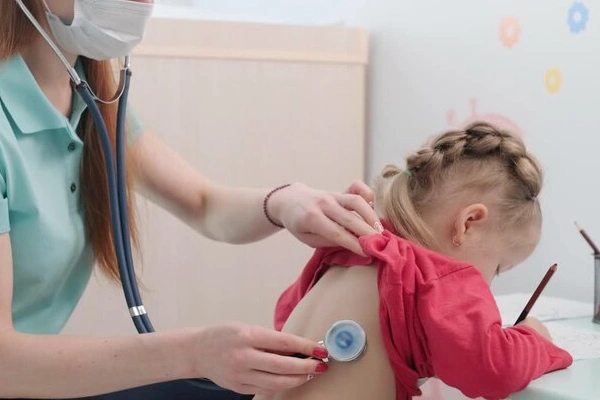
IBD
Inflammatory Bowel Disease (IBD) is a group of chronic inflammatory conditions affecting the digestive tract. The two main types of IBD are Crohn's disease and Ulcerative Colitis, both of which can occur in children and adolescents. Unlike occasional stomach infections or digestive discomfort, IBD is a long-term condition that requires specialized medical care and continuous monitoring.
Children with IBD may experience persistent abdominal pain, chronic diarrhea, blood in stools, weight loss, poor growth, fatigue, and nutritional deficiencies. If left untreated, the disease can interfere with normal growth, puberty, school performance, and overall quality of life. Early diagnosis and comprehensive treatment are essential to control inflammation, reduce complications, and support healthy development.
Dr. Vipul Gautam is an experienced IBD in New Delhi, providing comprehensive diagnosis, medical management, nutritional support, and long-term follow-up for children with Crohn's disease, Ulcerative Colitis, and other inflammatory bowel disorders. With expertise in pediatric gastroenterology and hepatology, Dr. Gautam offers personalized treatment plans tailored to each child's needs.
Located at 7481, Pocket 7, Sector D, Vasant Kunj, New Delhi, Dr. Vipul Gautam provides advanced pediatric digestive care using modern diagnostic techniques and evidence-based treatment.
What Is Pediatric Inflammatory Bowel Disease (IBD)?
Inflammatory Bowel Disease is a chronic condition in which the body's immune system causes inflammation within the digestive tract.
The two major forms include:
Crohn's Disease
Crohn's disease can affect any part of the digestive tract, from the mouth to the anus. The inflammation often extends through multiple layers of the intestinal wall and may occur in patches.
Ulcerative Colitis
Ulcerative Colitis affects only the large intestine (colon) and rectum. It causes continuous inflammation and ulcers in the inner lining of the colon.
Both conditions require long-term medical care and regular monitoring.
Causes and Risk Factors
The exact cause of IBD is not fully understood, but several factors may contribute:
- Genetic predisposition
- Abnormal immune system response
- Environmental factors
- Changes in gut bacteria
- Family history of IBD
- Certain infections acting as triggers
IBD is not contagious and is not caused by poor hygiene.
Symptoms of Pediatric IBD
Children with IBD may experience:
- Persistent abdominal pain
- Chronic diarrhea
- Blood or mucus in stools
- Frequent bowel movements
- Weight loss
- Poor appetite
- Delayed growth
- Fatigue
- Fever
- Anemia
- Joint pain
- Mouth ulcers
- Delayed puberty in some children
Symptoms may vary depending on whether the child has Crohn's disease or Ulcerative Colitis.
When Should You Consult a Pediatric IBD Specialist?
Parents should seek medical evaluation if their child has:
- Diarrhea lasting more than two weeks
- Blood in stools
- Persistent abdominal pain
- Unexplained weight loss
- Poor growth
- Recurrent fever
- Persistent fatigue
- Family history of IBD
- Nutritional deficiencies
- Recurrent mouth ulcers
Early diagnosis helps prevent complications and supports healthy growth.
Diagnosis of Pediatric IBD
Dr. Vipul Gautam performs a comprehensive evaluation to confirm the diagnosis and determine disease severity.
Medical History and Physical Examination
Assessment includes:
- Duration of symptoms
- Growth pattern
- Family history
- Nutritional status
- Physical examination
Blood Tests
Investigations may include:
- Complete blood count
- Inflammatory markers
- Liver function tests
- Nutritional assessment
- Iron and vitamin levels
Stool Tests
These help detect inflammation and rule out infections.
Pediatric Endoscopy and Colonoscopy
Endoscopy and colonoscopy allow direct visualization of the digestive tract and enable biopsy collection for accurate diagnosis.
Imaging Studies
Ultrasound, MRI, or other imaging tests may be recommended to evaluate the intestines and detect complications.
Treatment for Pediatric IBD
Treatment focuses on reducing inflammation, controlling symptoms, preventing complications, and supporting healthy growth.
Medications
Treatment may include:
- Anti-inflammatory medicines
- Immune-modifying medications
- Biologic therapies
- Nutritional supplements
- Antibiotics when indicated
Medication selection depends on the type and severity of the disease.
Nutritional Therapy
Proper nutrition is essential for:
- Growth and development
- Healing of the intestines
- Preventing vitamin and mineral deficiencies
Individualized dietary plans are created for each child.
Growth Monitoring
Regular assessments help ensure normal height, weight, and developmental milestones.
Long-Term Follow-Up
Children with IBD require ongoing monitoring to assess disease activity, medication response, and overall health.
Benefits of Early IBD Treatment
Choosing expert IBD Treatment in New Delhi offers several advantages.
Better Disease Control
Early treatment helps reduce intestinal inflammation and maintain remission.
Healthy Growth
Appropriate nutrition and medical management support normal growth and puberty.
Prevention of Complications
Timely care lowers the risk of intestinal narrowing, malnutrition, anemia, and other complications.
Improved Quality of Life
Children can participate more comfortably in school, sports, and daily activities.
Personalized Care
Every treatment plan is customized according to the child's condition and long-term needs.
Living with Pediatric IBD
Although IBD is a chronic condition, many children can lead active and healthy lives with proper treatment.
Parents can help by:
- Ensuring regular medication use
- Encouraging balanced nutrition
- Attending scheduled follow-up visits
- Monitoring symptoms
- Supporting emotional well-being
- Informing teachers about the child's condition when necessary
Consistent care and early intervention significantly improve long-term outcomes.
Why Choose Dr. Vipul Gautam as Your IBD in New Delhi?
Dr. Vipul Gautam specializes in pediatric gastroenterology and provides comprehensive care for children with Crohn's disease, Ulcerative Colitis, and other chronic digestive disorders. His approach combines advanced diagnostics, evidence-based treatment, nutritional counseling, and long-term follow-up to ensure the best possible outcomes.
Reasons to choose Dr. Vipul Gautam include:
- Expertise in pediatric gastroenterology and hepatology
- Specialized treatment for Crohn's disease and Ulcerative Colitis
- Advanced pediatric endoscopy and colonoscopy services
- Personalized treatment plans
- Comprehensive nutritional guidance
- Growth and developmental monitoring
- Child-friendly consultation environment
- Long-term disease management and follow-up
For expert consultation with IBD in New Delhi, visit Dr. Vipul Gautam at 7481, Pocket 7, Sector D, Vasant Kunj, New Delhi, for specialized care and comprehensive management of childhood inflammatory bowel disease.
Frequently Asked Questions (FAQs)
1. What is Pediatric IBD?
Pediatric IBD is a chronic inflammatory condition of the digestive tract that mainly includes Crohn's disease and Ulcerative Colitis.
2. What are the symptoms of IBD in children?
Common symptoms include chronic diarrhea, abdominal pain, blood in stools, weight loss, poor growth, fatigue, fever, and anemia.
3. How is IBD diagnosed?
Diagnosis involves medical history, physical examination, blood tests, stool tests, pediatric endoscopy, colonoscopy, biopsies, and imaging studies.
4. Can IBD be cured?
There is currently no permanent cure for IBD, but modern treatments can effectively control inflammation, reduce flare-ups, and help children lead healthy, active lives.
5. Will my child need lifelong treatment?
Many children require long-term follow-up and ongoing treatment, although medications and care plans may change depending on disease activity and response.
6. Does nutrition play a role in IBD treatment?
Yes. Proper nutrition is essential for growth, healing, maintaining a healthy weight, and reducing nutritional deficiencies.
7. Can children with IBD attend school and play sports?
Yes. With appropriate treatment and disease control, most children with IBD can attend school regularly and participate in sports and daily activities.
8. Where can I consult IBD in New Delhi?
Dr. Vipul Gautam provides expert Pediatric IBD Treatment in New Delhi at 7481, Pocket 7, Sector D, Vasant Kunj, New Delhi, offering advanced diagnosis, personalized treatment, and long-term care for children with Crohn's disease and Ulcerative Colitis.