Loose or Diarrhea
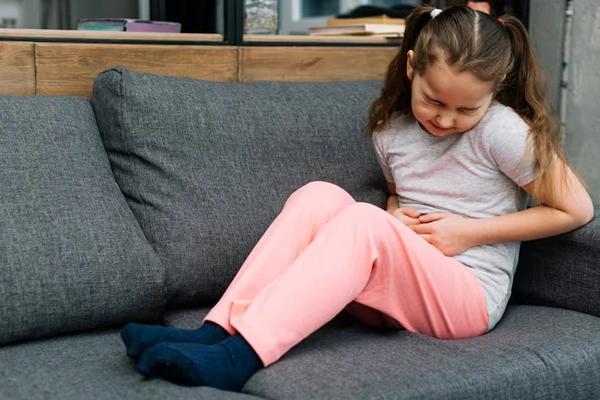
Loose or Diarrhea
Diarrhea is one of the most common illnesses affecting infants and children. It is characterized by frequent, loose, or watery stools and may be caused by infections, food allergies, digestive disorders, or underlying gastrointestinal diseases. While many cases of diarrhea are mild and resolve within a few days, persistent or severe diarrhea can lead to dehydration, nutritional deficiencies, poor growth, and serious health complications if not treated promptly.
Children, especially infants, are more vulnerable to dehydration because they lose fluids and electrolytes more quickly than adults. Early diagnosis and timely medical care are essential to identify the underlying cause, restore hydration, and prevent complications.
Dr. Vipul Gautam is an experienced Diarrhea in New Delhi, providing comprehensive evaluation and treatment for acute, chronic, and recurrent diarrhea in infants, children, and adolescents. With expertise in pediatric gastroenterology and hepatology, Dr. Gautam offers personalized treatment plans focused on rapid recovery and long-term digestive health.
Located at 7481, Pocket 7, Sector D, Vasant Kunj, New Delhi, Dr. Vipul Gautam provides advanced pediatric digestive care in a safe, compassionate, and child-friendly environment.
What Is Diarrhea in Children?
Diarrhea refers to passing loose, watery stools more frequently than usual. It may last for a few days (acute diarrhea) or continue for several weeks (chronic diarrhea). Persistent diarrhea often requires specialized evaluation to identify underlying digestive or systemic disorders.
A Child Diarrhea in New Delhi carefully assesses the child to determine the exact cause and provide appropriate treatment.
Common Causes of Diarrhea in Children
Diarrhea can develop due to various conditions, including:
Viral Infections
Viruses such as rotavirus and norovirus are among the most common causes of acute diarrhea.
Bacterial Infections
Certain bacteria acquired through contaminated food or water can cause severe diarrhea.
Parasitic Infections
Intestinal parasites may lead to prolonged diarrhea and poor nutrient absorption.
Food Allergies and Intolerances
Milk protein allergy, lactose intolerance, and other food sensitivities can trigger diarrhea.
Celiac Disease
An autoimmune reaction to gluten can cause chronic diarrhea and poor growth.
Inflammatory Bowel Disease (IBD)
Crohn's disease and Ulcerative Colitis may present with chronic diarrhea and abdominal pain.
Antibiotic-Associated Diarrhea
Some antibiotics may disturb normal gut bacteria, resulting in diarrhea.
Symptoms That Need Medical Attention
Parents should consult a Child Diarrhea in New Delhi if their child has:
- Diarrhea lasting more than 48–72 hours
- Blood or mucus in stools
- Severe abdominal pain
- High fever
- Persistent vomiting
- Signs of dehydration
- Reduced urine output
- Poor feeding
- Weight loss
- Recurrent diarrhea
- Failure to thrive
- Lethargy or unusual sleepiness
Prompt treatment helps prevent serious complications.
Signs of Dehydration in Children
Watch for symptoms such as:
- Dry mouth and lips
- Sunken eyes
- Reduced tears while crying
- Decreased urination
- Excessive thirst
- Dizziness
- Weakness
- Irritability
- Sleepiness
- Sunken soft spot (fontanelle) in infants
Children showing signs of dehydration require immediate medical evaluation.
Diagnosis of Childhood Diarrhea
Dr. Vipul Gautam performs a detailed evaluation to identify the underlying cause.
Medical History
The assessment includes:
- Duration of diarrhea
- Stool frequency and appearance
- Recent travel
- Dietary history
- Medication use
- Growth pattern
- Associated symptoms
Physical Examination
A thorough examination helps assess hydration status, abdominal tenderness, and nutritional health.
Laboratory Tests
Investigations may include:
- Stool examination
- Stool culture
- Blood tests
- Electrolyte assessment
- Celiac disease screening
- Allergy testing when indicated
Imaging and Endoscopy
For chronic or recurrent diarrhea, pediatric endoscopy, colonoscopy, or imaging studies may be recommended.
Treatment for Childhood Diarrhea
Treatment depends on the underlying cause and severity of symptoms.
Oral Rehydration Therapy (ORT)
Oral rehydration solution (ORS) helps replace lost fluids and electrolytes.
Adequate Nutrition
Children should continue age-appropriate feeding to support recovery and prevent malnutrition.
Medications
Medications may be prescribed for bacterial or parasitic infections or to manage underlying digestive disorders when appropriate.
Probiotics
Selected probiotics may help restore healthy intestinal bacteria in some children.
Treatment of Underlying Conditions
Chronic diarrhea caused by celiac disease, IBD, food allergies, or other gastrointestinal disorders requires specialized long-term management.
Benefits of Early Treatment
Choosing expert Child Diarrhea Treatment in New Delhi offers several benefits.
Prevents Dehydration
Early treatment restores fluid balance and reduces the risk of serious dehydration.
Rapid Symptom Relief
Appropriate treatment shortens illness duration and improves comfort.
Supports Healthy Growth
Maintaining proper nutrition helps children recover and continue normal development.
Prevents Complications
Timely management reduces the risk of electrolyte imbalance, malnutrition, and chronic digestive problems.
Improves Digestive Health
Accurate diagnosis ensures long-term relief from recurrent or persistent diarrhea.
Tips to Prevent Diarrhea in Children
Parents can help reduce the risk of diarrhea by:
- Encouraging regular handwashing
- Providing clean drinking water
- Preparing food hygienically
- Ensuring routine vaccinations, including rotavirus vaccination where recommended
- Washing fruits and vegetables thoroughly
- Avoiding contaminated food
- Encouraging a balanced diet
- Maintaining good personal hygiene
Preventive measures play a vital role in protecting children's digestive health.
Why Choose Dr. Vipul Gautam as Your Child Diarrhea in New Delhi?
Dr. Vipul Gautam specializes in pediatric gastroenterology and hepatology, providing comprehensive care for children with acute and chronic diarrhea, digestive disorders, and liver diseases. His patient-centered approach combines advanced diagnostics, evidence-based treatment, nutritional counseling, and long-term follow-up.
Reasons to choose Dr. Vipul Gautam include:
- Expertise in pediatric gastroenterology and hepatology
- Specialized treatment for acute and chronic diarrhea
- Advanced diagnostic evaluation
- Personalized treatment plans
- Child-friendly consultation environment
- Nutritional counseling and hydration management
- Comprehensive digestive care
- Long-term follow-up for chronic gastrointestinal disorders
For expert consultation with a Child Diarrhea in New Delhi, visit Dr. Vipul Gautam at 7481, Pocket 7, Sector D, Vasant Kunj, New Delhi, for compassionate and comprehensive pediatric digestive care.
Frequently Asked Questions (FAQs)
1. What are the common causes of diarrhea in children?
Diarrhea may be caused by viral or bacterial infections, parasites, food allergies, lactose intolerance, celiac disease, inflammatory bowel disease, or certain medications.
2. When should I take my child to a diarrhea specialist?
Consult a specialist if diarrhea lasts more than 48–72 hours, is associated with blood in the stool, dehydration, persistent vomiting, weight loss, or poor growth.
3. How can I prevent dehydration during diarrhea?
Offer oral rehydration solution (ORS), continue breastfeeding or age-appropriate feeding, encourage fluids, and seek medical care if dehydration signs appear.
4. Is diarrhea always caused by an infection?
No. Chronic diarrhea may result from food allergies, celiac disease, inflammatory bowel disease, digestive disorders, or medication side effects.
5. How is childhood diarrhea diagnosed?
Diagnosis may include medical history, physical examination, stool tests, blood tests, and, if needed, pediatric endoscopy or colonoscopy.
6. Should I stop feeding my child during diarrhea?
No. Most children should continue breastfeeding or eat an age-appropriate diet while staying well hydrated unless advised otherwise by a doctor.
7. Can recurrent diarrhea affect my child's growth?
Yes. Persistent diarrhea can interfere with nutrient absorption, leading to poor weight gain, malnutrition, and delayed growth if left untreated.
8. Where can I consult a Child Diarrhea in New Delhi?
Dr. Vipul Gautam provides expert Child Diarrhea Treatment in New Delhi at 7481, Pocket 7, Sector D, Vasant Kunj, New Delhi, offering advanced diagnosis, personalized treatment, hydration management, and long-term care for children with digestive disorders.