Immunosuppression medicines
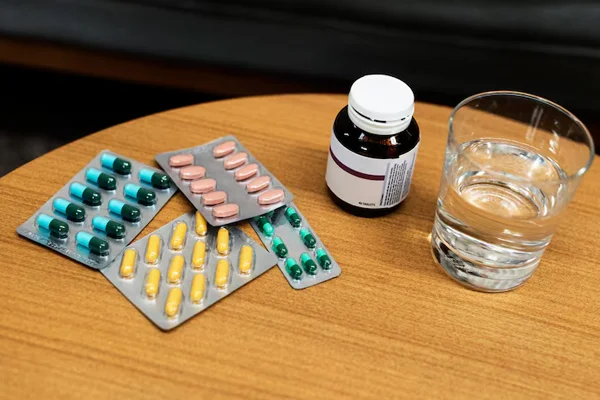
Immunosuppression medicines
Immunosuppression medicines play a vital role in treating autoimmune liver diseases and preventing organ rejection after a liver transplant. These medications work by reducing the activity of the immune system, helping protect the liver from further damage while improving long-term health outcomes.
If you are looking for expert guidance on Immunosuppression Medicines in Vasant Kunj, Dr. Vipul Gautam provides comprehensive care for children requiring immunosuppressive therapy. He carefully monitors each child to ensure the medicines are effective while minimizing potential side effects.
Located at 7481, Pocket 7, Sector D, Vasant Kunj, New Delhi, the clinic offers specialized pediatric liver care with personalized treatment and long-term follow-up.
What Are Immunosuppression Medicines?
Immunosuppression medicines are medications that reduce or control the body's immune response. They are commonly prescribed for children with autoimmune liver diseases, such as autoimmune hepatitis, and after liver transplantation to prevent the immune system from attacking the transplanted liver.
These medicines must always be taken exactly as prescribed and should never be stopped without medical advice.
Who May Need Immunosuppression Medicines?
Dr. Vipul Gautam may recommend immunosuppressive therapy for children with:
- Autoimmune Hepatitis
- Post Liver Transplant Care
- Autoimmune Liver Disorders
- Certain Chronic Liver Diseases
- Immune-Mediated Biliary Disorders
- Other liver conditions where immune system control is necessary
Commonly Used Immunosuppressive Medicines
Depending on the child's condition, treatment may include:
- Corticosteroids
- Tacrolimus
- Cyclosporine
- Azathioprine
- Mycophenolate Mofetil (MMF)
- Other specialized immunosuppressive medications, when clinically indicated
The choice of medicine depends on the diagnosis, age, weight, and overall health of the child.
Benefits of Immunosuppressive Therapy
Properly managed immunosuppression can help:
- Prevent rejection after liver transplantation
- Reduce liver inflammation
- Control autoimmune liver disease
- Preserve healthy liver function
- Improve long-term survival
- Support normal growth and development
- Reduce the risk of disease progression
Monitoring During Treatment
Children receiving immunosuppressive medicines require regular follow-up, including:
- Liver Function Tests (LFT)
- Blood Count Monitoring
- Kidney Function Tests
- Drug Level Monitoring (when required)
- Growth and Nutritional Assessment
- Infection Screening
- Routine Clinical Evaluation
Regular monitoring helps ensure safe and effective treatment.
Possible Side Effects
Like all medications, immunosuppressive medicines may have side effects, including:
- Increased susceptibility to infections
- Nausea or vomiting
- High blood pressure
- Elevated blood sugar
- Weight changes
- Tremors
- Kidney function changes
- Changes in liver function tests
Dr. Vipul Gautam closely monitors children and adjusts treatment whenever necessary to reduce these risks.
Why Choose Dr. Vipul Gautam?
Parents trust Dr. Vipul Gautam for:
- Expertise in Pediatric Liver Diseases
- Specialized Post-Liver Transplant Care
- Personalized Medication Management
- Regular Monitoring and Follow-up
- Evidence-Based Treatment
- Child-Friendly Consultations
- Comprehensive Family Guidance
- Long-Term Liver Health Support
Tips for Parents
- Give medicines exactly as prescribed.
- Never skip or stop doses without consulting the doctor.
- Attend all scheduled follow-up visits.
- Maintain good hygiene to reduce infection risk.
- Inform the doctor about fever or signs of infection immediately.
- Keep vaccinations updated as advised by your specialist.
- Follow dietary and lifestyle recommendations.
Book Your Consultation
If your child requires immunosuppressive therapy for autoimmune liver disease or after a liver transplant, expert supervision is essential for safe and effective treatment.
Consult Dr. Vipul Gautam at:
7481, Pocket 7, Sector D, Vasant Kunj, New Delhi
Receive comprehensive care, personalized medication management, and long-term follow-up for your child's liver health.
Frequently Asked Questions (FAQs)
1. What are immunosuppression medicines?
They are medications that reduce the immune system's activity to treat autoimmune diseases or prevent organ rejection after a transplant.
2. Why are these medicines needed after a liver transplant?
They help prevent the immune system from rejecting the transplanted liver.
3. Can children take immunosuppressive medicines safely?
Yes. When prescribed and monitored by a pediatric liver specialist, these medicines can be used safely and effectively.
4. Will my child need regular blood tests?
Yes. Regular blood tests help monitor liver function, kidney function, medication levels, and overall health.
5. What should I do if my child misses a dose?
Contact your doctor for guidance. Do not double the next dose unless specifically advised.
6. Can immunosuppressive medicines increase the risk of infections?
Yes. Because they reduce immune activity, children may be more susceptible to infections and should be monitored closely.
7. How long will my child need these medicines?
The duration depends on the underlying condition. Children who have undergone a liver transplant often require long-term immunosuppressive therapy.
8. Where can I consult for immunosuppression medicine management in Vasant Kunj?
You can consult Dr. Vipul Gautam at 7481, Pocket 7, Sector D, Vasant Kunj, New Delhi, for expert pediatric liver care and immunosuppressive medication management.