food allergies
food allergies
Food allergies are common in children and occur when the immune system mistakenly reacts to certain foods as harmful. Reactions can range from mild skin rashes to severe, life-threatening allergic responses. Early diagnosis and proper management are essential to prevent complications while ensuring your child receives adequate nutrition for healthy growth and development.
If you are looking for expert Food Allergy Treatment in Vasant Kunj, Dr. Vipul Gautam provides comprehensive evaluation, diagnosis, dietary guidance, and long-term management for children with food allergies. His patient-centered approach focuses on identifying allergy triggers, preventing allergic reactions, and maintaining balanced nutrition.
Located at 7481, Pocket 7, Sector D, Vasant Kunj, New Delhi, the clinic offers specialized pediatric care in a safe and child-friendly environment.
What is a Food Allergy?
A food allergy occurs when the body's immune system reacts abnormally to certain foods. Even a small amount of the allergen can trigger symptoms in sensitive children. Food allergies are different from food intolerances, as they involve an immune response and may cause severe reactions.
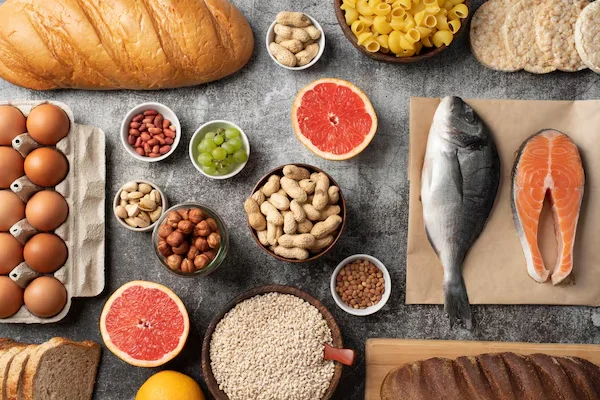
Common food allergens include:
- Milk
- Eggs
- Peanuts
- Tree Nuts
- Wheat
- Soy
- Fish
- Shellfish
Symptoms of Food Allergies
Children with food allergies may experience:
- Skin rash or hives
- Itching
- Swelling of the lips, face, or tongue
- Vomiting
- Diarrhea
- Abdominal pain
- Nausea
- Wheezing or coughing
- Difficulty breathing
- Dizziness
- Severe allergic reaction (Anaphylaxis)
Seek immediate medical attention if your child has difficulty breathing or signs of a severe allergic reaction.
Causes and Risk Factors
Food allergies may be associated with:
- Family history of allergies
- Asthma
- Eczema
- Allergic rhinitis
- Previous allergic reactions
- Immature immune system in young children
Diagnosis
Dr. Vipul Gautam performs a detailed assessment that may include:
- Complete medical history
- Physical examination
- Dietary history
- Food elimination and reintroduction guidance (when appropriate)
- Allergy testing (if indicated through an allergy specialist)
- Growth and nutritional assessment
Treatment and Management
Treatment focuses on preventing allergic reactions and maintaining proper nutrition. Management may include:
- Identification of food triggers
- Personalized elimination diet
- Nutritional counselling
- Safe food alternatives
- Growth monitoring
- Education on reading food labels
- Emergency action plan for severe allergies
- Regular follow-up consultations
Benefits of Early Diagnosis
Early diagnosis and management help:
- Prevent severe allergic reactions
- Improve quality of life
- Maintain healthy growth
- Avoid unnecessary dietary restrictions
- Ensure balanced nutrition
- Reduce anxiety for parents and caregivers
Why Choose Dr. Vipul Gautam?
Parents trust Dr. Vipul Gautam for:
- Expertise in Pediatric Gastroenterology and Nutrition
- Personalized Dietary Planning
- Child-Friendly Consultations
- Comprehensive Growth Monitoring
- Evidence-Based Allergy Management
- Long-Term Follow-Up Care
- Family Education and Support
- Holistic Child Healthcare
Tips for Managing Food Allergies
- Avoid known food allergens.
- Read ingredient labels carefully.
- Inform schools and caregivers about your child's allergy.
- Carry emergency medication if prescribed.
- Introduce new foods only under medical guidance when advised.
- Ensure a nutritionally balanced diet.
- Attend regular follow-up appointments.
Book Your Consultation
If your child experiences allergic reactions after eating certain foods, early diagnosis and proper dietary management are essential for their safety and healthy development.
Consult Dr. Vipul Gautam for expert Food Allergy Treatment in Vasant Kunj at:
7481, Pocket 7, Sector D, Vasant Kunj, New Delhi
Receive comprehensive evaluation, nutritional guidance, and personalized care to help your child manage food allergies safely and confidently.
Frequently Asked Questions (FAQs)
1. What is a food allergy?
A food allergy is an immune system reaction to specific foods that can cause symptoms ranging from mild rashes to severe allergic reactions.
2. Which foods commonly cause allergies in children?
Milk, eggs, peanuts, tree nuts, soy, wheat, fish, and shellfish are among the most common food allergens.
3. How is a food allergy diagnosed?
Diagnosis includes a detailed medical and dietary history, physical examination, and allergy testing when appropriate.
4. Can food allergies be cured?
Some childhood food allergies may resolve over time, while others can persist. Regular medical follow-up is important.
5. How are food allergies managed?
Management includes avoiding trigger foods, maintaining balanced nutrition, monitoring growth, and having an emergency plan for severe reactions.
6. Can my child still get proper nutrition with food allergies?
Yes. With personalized nutritional counselling, children can receive all essential nutrients while avoiding allergenic foods.
7. When should I seek emergency medical care?
Seek immediate medical attention if your child has difficulty breathing, swelling of the throat, severe vomiting, dizziness, or signs of anaphylaxis.
8. Where can I get Food Allergy Treatment in Vasant Kunj?
You can consult Dr. Vipul Gautam at 7481, Pocket 7, Sector D, Vasant Kunj, New Delhi, for expert pediatric food allergy evaluation and long-term management.